
Using the Army Reserves to gain experience
Not Such A Crazy Idea
Hear me out. This might be an idea that feels like it’s a million miles off your radar, but it was a million miles off my radar once too. I joined the Army Reserves because I’d just returned home from two years from travelling, and I genuinely wanted a bit more adventure in my life. At that stage in my life, phlebotomy was a long way off my radar too.
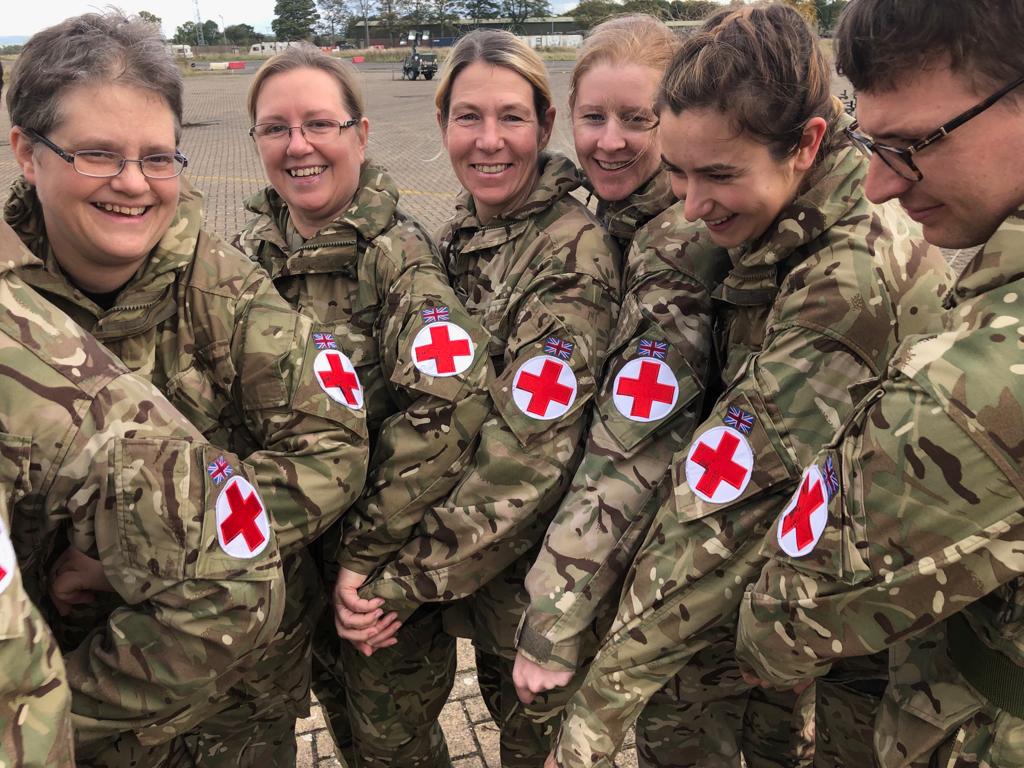
I joined my local reserves in Loughborough, part of the Royal Logistics Corps (RLC) qualified as a driver, and an army chef, before my civvy career took me down this path, and I realised I could use the army to increase my medical experience. I switched from the RLC to the Royal Army Medical Corps (RAMC) – now the Royal Army Medical Service (RAMS).
Training & Experience
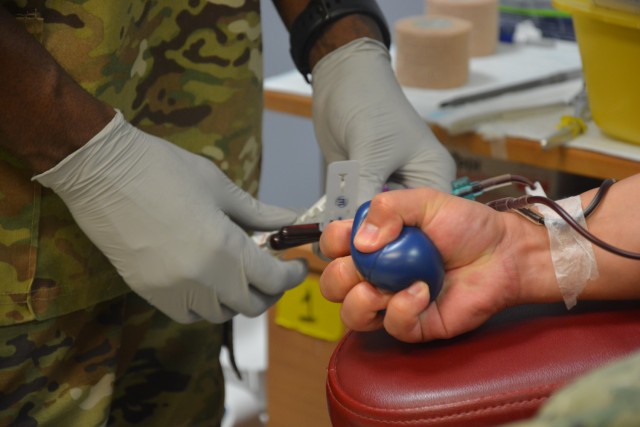
In the RAMS you can become a trained nurse, doctor, paramedic, or Combat Medical Technician (CMT). I became a CMT. The army sent me on three 2-week courses, where I learned cannulation, vaccination and advanced first aid skills which I incorporated into my phlebotomy career. I was also given opportunities to work in medical centres, and as medical support on exercises across Europe. Not only this, but the additional medical skills I learned gave me confidence to train, and a more rounded knowledge, and I was able to complete other courses in safeguarding, infection control and data protection, and was given my Hep B vaccination, all vital for my career as a phlebotomist. The army will give you the support you need to gain the experience you need.
In particular, we love ex-forces, or reservists in our mobile team. The soft skills and values you learn as a soldier – skills like adaptability, independent thinking, selfless commitment and self discipline – are invaluable for a mobile phlebotomist.
Commitment
But joining the army means you’re going to go to war right? Not necessarily, not if you don’t want to. The reserves are the Voluntary Reserves. You aren’t asked to do anything you don’t want to do. It is true that the army considers you a soldier first, before whatever other role you chose, and you will have to undergo basic infantry training to join. This consists of 6 weekends and a 2-week camp. But after that it is all about your trade training and experience.
You might just use the opportunity to get some training and experience and after a couple of years, leave the army with a boosted CV. Or you might find you love it and want to stay for years. There’s a lot to love.
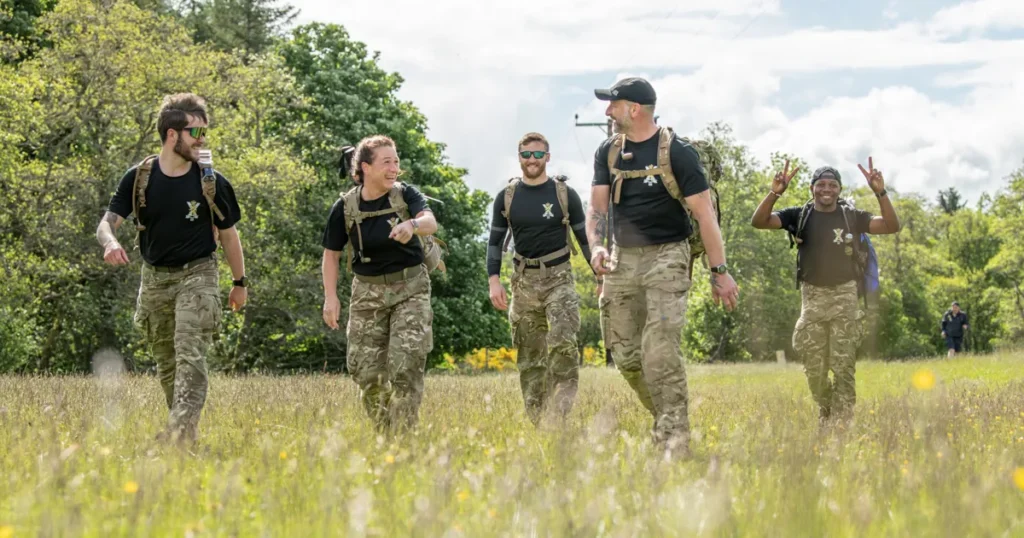
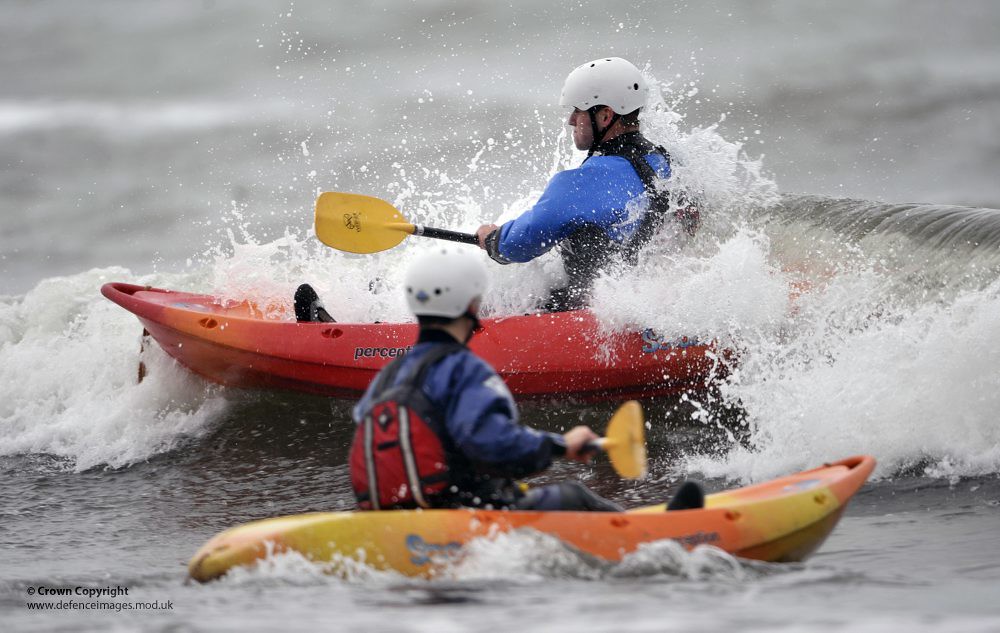
- I spend a week adventure training in Wales each year, including rock climbing, kayaking, caving, mountain biking and caving.
- I have been to Normandy, Germany and Cyprus with the army, with opportunities to go to America, Oman, Kenya, Spain and beyond.
- I’ve gained driving licences that would have cost me a fortune to pay for myself.
- I’ve discovered I’m a surprisingly good shot, and have been able to represent my Squadron in shooting competitions, with loads of other sporting teams to join.
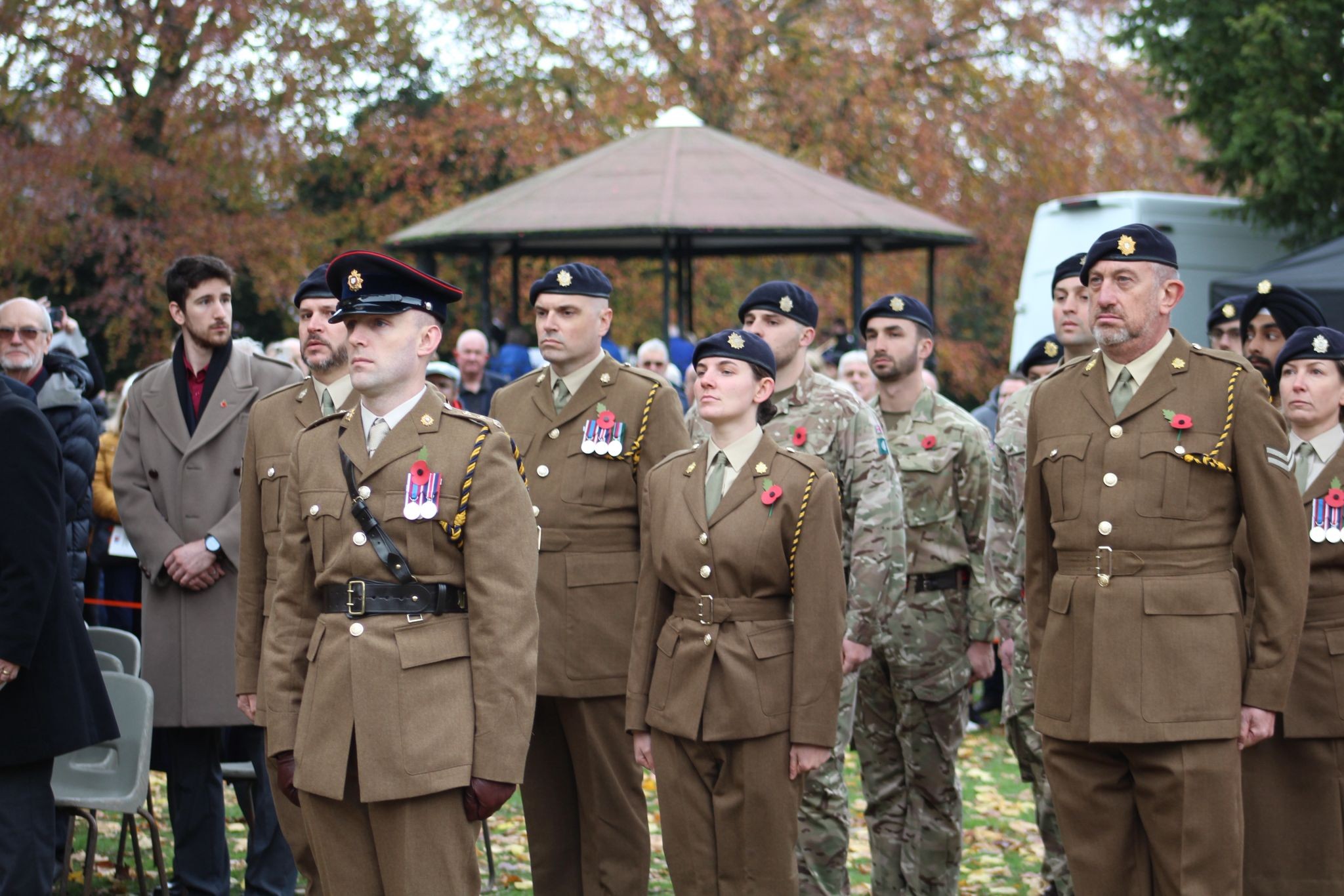
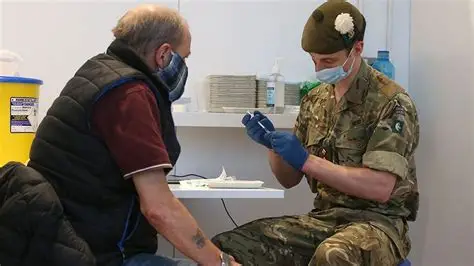
I’ve never been asked to go anywhere particularly dangerous, unless you count helping out during the Commonwealth Games in Glasgow (Op Comet), and I was happy to be involved in Op Rescript, the army’s effort to assist during the COVID-19 pandemic.
Benefits
Apart from being able to access the training, experience, the international travel, licences, adventure and sports opportunities mentioned above, you’re also given:
- All your travel expenses
- Access to a fully fitted gym through your squadron
- Many discounts through the Forces Discount Scheme
- Entry into the army pension scheme
- Funding for other courses through Standard / Enhanced Learning Credits (which you can use for our courses)
- Countless other benefits through various schemes and initiatives, you’ll always be part of the army family.
And, most importantly, you get paid a daily wage as a normal private soldier (or more if you get promoted), with a tax free bonus of nearly £2,000 a year, as an incentive to fulfil a minimum annual commitment (a 2-week camp, 4 weeks, and some mandatory training).

I’m Convinced, Where Do I Sign Up?
Any gender, any race, and any nationality are welcome to join the reserves. You just need:
- To be 43 years old or younger.
- Have a minimal level of fitness (but you don’t need to be superman, the standards vary depending on the role you are applying for).
- Grades A-C / 9-4 in Maths and English (but the army can support you if you don’t have this)
- A Indefinite Leave To Remain visa (occasionally there are some exceptions for Commonwealth nationals, it’s worth checking).
Follow this link to find out more about my regiment, 159 RGT RLC (we’re logistics, but don’t hold that against us, opportunities exist to attach to squadrons as a medic).
Or this link to go the main Army Recruitment page and find a medical squadron near you.
And although I’m very much Army, if green isn’t your colour, the RAF and Navy also have similar reserve forces with similar opportunities.
Indeed the story worth reading, now I know better about the army and how to join them.